
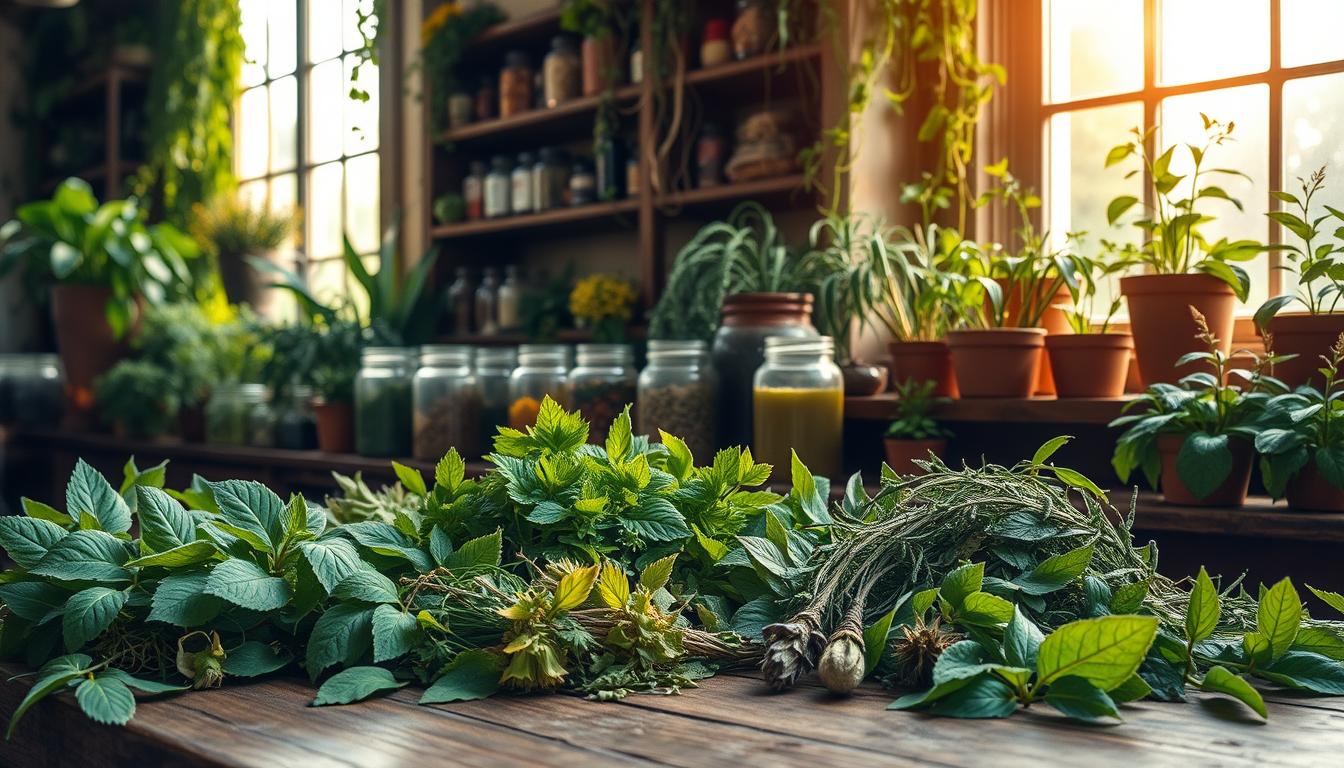
Are you seeking a more holistic approach to health and wellness? In a world where synthetic medications often come with a list of side effects, many are turning back to the power of plants for healing.
Herbal healing remedies have been used for centuries, offering a gentle yet effective way to enhance our well-being. From soothing digestive issues to boosting our immune system, the right herbs can make a significant difference.
Key Takeaways
Table of Contents
- Explore the benefits of using herbal remedies for common health issues.
- Learn how to incorporate healing herbs into your daily routine.
- Discover the top herbs for wellness and their uses.
- Understand the importance of choosing high-quality herbal products.
- Find out how herbal healing can complement your existing health practices.
The Power of Natural Healing Herbs for Wellness
The power of natural healing herbs lies in their ability to promote wellness through their therapeutic properties. These herbs have been used for centuries to prevent and treat various health conditions, offering a holistic approach to health that aligns with the body’s natural processes.
What Makes Herbs Effective for Healing
Herbs are effective for healing due to their rich content of bioactive compounds, including antioxidants, flavonoids, and essential oils. These compounds work synergistically to enhance the body’s natural healing processes, reduce inflammation, and boost the immune system. For instance, turmeric contains curcumin, a powerful anti-inflammatory compound that has been shown to reduce pain and improve symptoms in patients with arthritis.
| Herb | Key Compound | Health Benefit |
|---|---|---|
| Turmeric | Curcumin | Anti-inflammatory |
| Ginger | Gingerol | Digestive aid |
| Echinacea | Alkylamides | Immune system support |
Historical Use of Medicinal Herbs
The historical use of medicinal herbs dates back to ancient civilizations, where they were used in traditional medicine to treat a wide range of ailments. Traditional Chinese Medicine and Ayurvedic medicine are two of the oldest systems that heavily relied on herbs for healing. These practices not only provided relief from symptoms but also aimed to balance the body’s energies and promote overall wellness.
Examples of historically significant herbs include willow bark, which contains salicin, a compound similar to aspirin, and foxglove, which is used to produce digitalis, a heart medication. The use of these herbs has been documented in ancient texts and continues to influence modern herbal remedies.
10 Essential Healing Herbs and Their Benefits
Nature provides us with an array of healing herbs that can be used to support our health and wellbeing in numerous ways. These natural remedies have been harnessed for centuries to prevent illness, promote wellness, and enhance overall quality of life.
Adaptogenic Herbs: Ashwagandha, Rhodiola, and Holy Basil
Adaptogenic herbs are known for their ability to help the body adapt to stress. Ashwagandha is renowned for its stress-relieving properties, while Rhodiola enhances mental performance and reduces fatigue. Holy Basil, also known as Tulsi, is revered for its ability to promote emotional balance and wellbeing.
Immune-Boosting Herbs: Echinacea, Elderberry, and Astragalus
Immune-boosting herbs play a crucial role in supporting the body’s natural defenses. Echinacea is widely used to prevent illness, while Elderberry is known for its antiviral properties. Astragalus is a traditional Chinese medicine herb that is believed to enhance the immune system and protect against infections.
| Herb | Primary Benefit | Common Use |
|---|---|---|
| Echinacea | Immune System Support | Preventing Common Cold |
| Elderberry | Antiviral Properties | Fighting Flu and Colds |
| Astragalus | Immune System Enhancement | Protecting Against Infections |
Digestive Health Herbs: Ginger, Peppermint, and Fennel
Digestive health herbs are essential for maintaining a healthy gastrointestinal system. Ginger is known for its anti-inflammatory properties and is often used to alleviate nausea. Peppermint oil can help ease digestive issues, while Fennel is used to reduce bloating and gas.

Anti-inflammatory Herbs: Turmeric, Ginger, and Boswellia
Anti-inflammatory herbs are vital for reducing inflammation and alleviating pain. Turmeric contains curcumin, a powerful anti-inflammatory compound. Ginger has natural anti-inflammatory properties, and Boswellia is known for its ability to reduce joint pain and inflammation.
By incorporating these 10 essential healing herbs into your daily routine, you can take a proactive approach to enhancing your overall wellness and health.
How to Identify Quality Herbal Supplements
With the rise of plant-based medicine, understanding how to identify quality herbal supplements is crucial for wellness. The market is flooded with various products, making it challenging to distinguish between high-quality and subpar supplements.
To make an informed decision, it’s essential to understand the factors that contribute to the quality of herbal supplements. This includes understanding certifications, knowing the difference between organic and conventional herbs, and being able to read product labels effectively.
Understanding Herbal Certifications and Standards
Herbal certifications and standards play a significant role in ensuring the quality of supplements. Look for products that have been certified by reputable third-party organizations. These certifications can include NSF International, ConsumerLab.com, or the National Science Foundation. These organizations test products for purity, potency, and manufacturing quality.
“The quality of herbal supplements is not just about the ingredients; it’s also about the manufacturing process and adherence to standards.”
Organic vs. Conventional Herbs: What’s the Difference
The debate between organic and conventional herbs is ongoing. Organic herbs are grown without synthetic pesticides, herbicides, or fertilizers, which can be beneficial for those looking to minimize their exposure to chemicals. However, it’s also important to note that organic labeling doesn’t necessarily mean the product is more effective or of higher quality.
| Characteristics | Organic Herbs | Conventional Herbs |
|---|---|---|
| Farming Practices | No synthetic pesticides or fertilizers | May use synthetic pesticides or fertilizers |
| Environmental Impact | Generally considered more environmentally friendly | Potential environmental impact due to chemicals used |
| Cost | Often more expensive | Can be less expensive |
Reading Herbal Product Labels and Avoiding Red Flags
Reading the label is a critical step in selecting a quality herbal supplement. Be wary of products with exaggerated claims or those that lack transparency about their ingredients or manufacturing process. Look for products that clearly list the amount of each ingredient and check for any certifications or seals of approval from third-party organizations.
By being informed and vigilant, consumers can navigate the complex world of herbal supplements and make choices that support their wellness goals.
Step-by-Step Guide to Preparing Healing Herbs at Home
Herbal wellness solutions are more accessible than ever when you learn to prepare them yourself. Preparing healing herbs at home not only allows you to control the quality of the ingredients but also to tailor the remedies to your specific health needs.

Creating Therapeutic Herbal Teas and Infusions
Herbal teas and infusions are a simple and effective way to enjoy the benefits of healing herbs. To make a therapeutic tea, start by selecting high-quality, dried herbs. Use about one teaspoon of dried herbs per cup of boiling water. Let it steep for 5-10 minutes, depending on the herb and your desired strength. Strain and enjoy. You can enhance the flavor with honey or lemon if needed.
Making Potent Herbal Tinctures and Extracts
Tinctures are concentrated herbal extracts that can be used to deliver the therapeutic properties of herbs directly into your system. To make a tincture, you’ll need a clean glass jar, high-proof alcohol (like vodka), and your chosen herbs. Fill the jar with herbs and cover them completely with alcohol. Seal the jar and let it sit in a cool, dark place for 2-6 weeks, shaking it daily. Strain the liquid and store it in a dark glass bottle.
Crafting Herbal Salves and Topical Applications
Herbal salves are topical applications that can be used to soothe skin irritations, wounds, and muscle aches. To make a salve, combine herbal infusions or extracts with beeswax and other nourishing oils. Melt the mixture gently and pour it into containers. Let it cool and harden before use.
Incorporating Medicinal Herbs into Daily Cooking
Adding medicinal herbs to your daily meals is a delicious way to boost your health. Herbs like basil, rosemary, and thyme are not only flavorful but also packed with antioxidants and other beneficial compounds. Use fresh or dried herbs in soups, salads, and main dishes to add flavor and nutrition.
By incorporating these practices into your daily routine, you can harness the full potential of healing herbs and enhance your overall wellness.
Growing Your Own Medicinal Herb Garden
Creating a medicinal herb garden allows you to harness the power of natural herb therapy in the comfort of your own home. By growing your own herbs, you can ensure a fresh supply of natural remedies for various health needs.
Selecting the Right Herbs for Your Climate
When selecting herbs for your garden, it’s crucial to choose varieties that thrive in your local climate. Consider factors like temperature, rainfall, and sunlight exposure to ensure the health and vitality of your herbs.
Essential Growing Techniques for Medicinal Herbs
Proper growing techniques are vital for maximizing the medicinal properties of your herbs. This includes using well-draining soil, appropriate watering schedules, and organic gardening practices to avoid contamination.
| Herb | Ideal Climate | Growing Tips |
|---|---|---|
| Ashwagandha | Dry, warm climates | Well-draining soil, full sun |
| Turmeric | Tropical, subtropical | High humidity, partial shade |
| Ginger | Tropical, warm temperate | Moist soil, partial shade |
Harvesting and Preserving Your Herbal Bounty
Harvesting your herbs at the right time and preserving them correctly is key to maintaining their potency. Learn the best practices for drying, freezing, or making extracts from your fresh herbs.
By following these guidelines, you can enjoy the benefits of natural herb therapy from the comfort of your own garden.
Conclusion: Integrating Healing Herbs into Your Wellness Routine
As we’ve explored throughout this article, natural healing herbs offer a powerful way to enhance your overall wellness. By incorporating holistic health herbs into your daily routine, you can experience the numerous benefits they provide, from stress relief and immune system support to improved digestion and reduced inflammation.
To get started, consider growing your own medicinal herb garden or experimenting with herbal teas, tinctures, and topical applications. You can also look for high-quality herbal supplements that meet rigorous standards. By making these simple changes, you can take a significant step towards a more balanced and healthy lifestyle.
As you begin your journey with healing herbs, remember to consult with a healthcare professional, especially if you have any underlying health conditions or are taking medications. With the right guidance and a little creativity, you can harness the full potential of holistic health herbs to support your overall well-being.
FAQ
What are natural healing herbs, and how do they promote wellness?
Natural healing herbs are plants used for their medicinal properties to promote overall wellness. They have been used for centuries to prevent and treat various health conditions, and their benefits range from reducing stress and anxiety to boosting the immune system and improving digestive health.
Are herbal supplements regulated, and how can I ensure their quality?
Herbal supplements are regulated by various organizations, but the level of oversight can vary. To ensure quality, look for products that have been certified by third-party organizations, such as the National Science Foundation (NSF) or the International Organization for Standardization (ISO), and choose products from reputable manufacturers.
Can I grow my own medicinal herbs, and is it difficult?
Yes, you can grow your own medicinal herbs. While some herbs can be more challenging to grow than others, many common medicinal herbs are relatively easy to cultivate. By selecting herbs suitable for your climate and following proper growing techniques, you can successfully grow your own medicinal herb garden.
How do I prepare herbal teas and infusions at home?
Preparing herbal teas and infusions involves steeping the desired herb in hot water. The ratio of herb to water and the steeping time can vary depending on the herb being used. Generally, a teaspoon of dried herb or two teaspoons of fresh herb per cup of boiling water is a good starting point, with steeping times ranging from 5 to 15 minutes.
What are some common uses for adaptogenic herbs like ashwagandha and rhodiola?
Adaptogenic herbs like ashwagandha and rhodiola are used to help the body adapt to stress and promote balance in the body’s physiological response. They are often used to enhance energy, improve mental clarity, and support overall resilience to stress.
Can herbal remedies be used in conjunction with conventional medicine?
While herbal remedies can be used alongside conventional medicine, it’s essential to consult with a healthcare professional before doing so, especially if you’re taking prescription medications or have a chronic health condition. Some herbs can interact with medications or exacerbate certain health conditions.
How do I store and preserve my harvested herbs to maintain their potency?
To maintain the potency of harvested herbs, store them in a cool, dry place, away from direct sunlight. Dried herbs can be stored in airtight containers, while fresh herbs can be frozen or made into tinctures and extracts. Proper labeling and dating of stored herbs are also crucial for ensuring you use the oldest products first.