
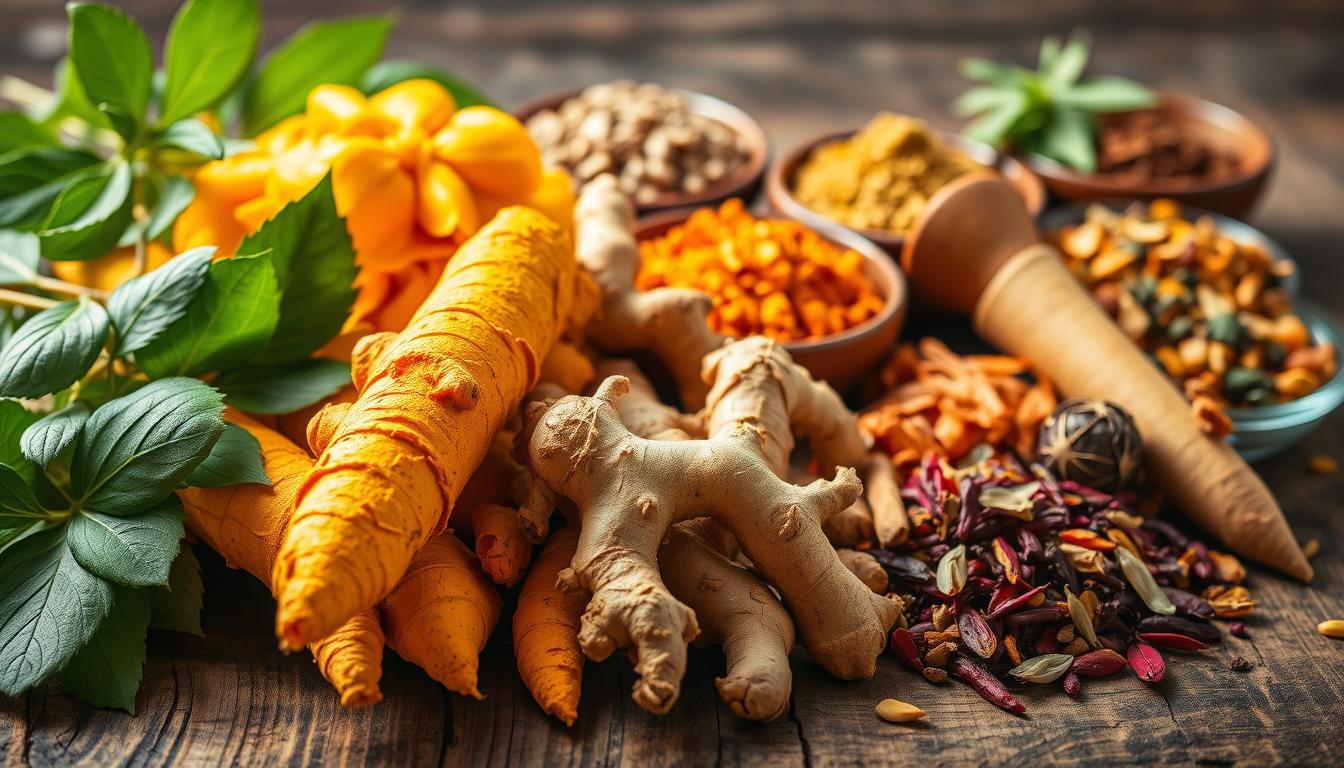
Are you aware of the powerful role Ayurvedic herbs play in enhancing our body’s defense mechanism? In a world where health is paramount, understanding how to naturally boost our immunity is crucial.
Ayurvedic herbs have been used for centuries to promote health and wellness. They offer a natural and effective way to support our immune system. But which herbs are the most effective?
This article will explore the best Ayurvedic herbs that can help boost your immunity. We’ll delve into their benefits and how they can be incorporated into your daily routine.
Key Takeaways
Table of Contents
- Understanding the role of Ayurvedic herbs in immunity
- Identifying the most effective Ayurvedic herbs for immune support
- Learning how to incorporate these herbs into your daily life
- Discovering the benefits of using natural remedies for immunity
- Exploring the connection between Ayurvedic herbs and overall wellness
Understanding Ayurveda and Immune Health
Immune health, according to Ayurveda, is not just about fighting off diseases but maintaining a balance within the body’s three fundamental energies: Vata, Pitta, and Kapha. This ancient Indian system of medicine views immunity as a holistic concept, deeply intertwined with an individual’s lifestyle, diet, and overall well-being.
The Ayurvedic Approach to Immunity
Ayurveda approaches immunity by focusing on the individual’s unique constitution and the balance of their doshas (Vata, Pitta, and Kapha). It emphasizes the use of ayurvedic remedies for immune system support, such as dietary changes, lifestyle modifications, and herbal supplements to maintain or restore balance.
How Ayurvedic Herbs Support Your Immune System
Herbal immune support is a cornerstone of Ayurvedic practice. Herbs like Ashwagandha, Tulsi, and Amalaki are renowned for their immune boosting properties. These herbs work by enhancing the body’s natural defenses, improving resilience against infections, and promoting overall health.
| Ayurvedic Herb | Immune System Benefit |
|---|---|
| Ashwagandha | Stress reduction and immune resilience |
| Tulsi (Holy Basil) | Antioxidant properties and immune modulation |
| Amalaki (Indian Gooseberry) | Rich in Vitamin C, enhancing immune function |
Best Ayurvedic Herbs for Immunity
Boosting immunity naturally is a top priority for many, and Ayurvedic herbs offer a promising solution. Ayurveda, the ancient Indian system of medicine, has long recognized the importance of herbs in maintaining and enhancing immune function. By incorporating specific Ayurvedic herbs into your daily routine, you can potentially strengthen your body’s defenses against various pathogens.
Ashwagandha: The Adaptogenic Powerhouse
Ashwagandha is renowned for its adaptogenic properties, helping the body to adapt to stress and promoting overall well-being. Its immune-boosting effects are significant, making it a popular choice for those looking to enhance their immune function.
Benefits for Immune Function
Ashwagandha has been shown to modulate the immune system, enhancing the activity of natural killer cells and macrophages, which are vital for fighting off infections.
How to Use Ashwagandha
You can consume Ashwagandha as a powder mixed with warm milk or water, or take it in capsule form. The recommended dosage varies, so it’s advisable to consult with an Ayurvedic practitioner.
Tulsi (Holy Basil): Nature’s Immune Modulator
Tulsi is considered sacred in Ayurveda and is celebrated for its immune-modulating properties. It’s a powerful antioxidant that helps protect the body from oxidative stress.
Immune-Boosting Properties
Tulsi has been found to enhance the body’s immune response, increasing the production of antibodies and activating immune cells.
Ways to Consume Tulsi
You can enjoy Tulsi as a tea by steeping its leaves in hot water, or add fresh Tulsi leaves to your meals for an immune boost.
Amalaki (Indian Gooseberry): Vitamin C Champion
Amalaki is rich in Vitamin C, making it an excellent herb for supporting immune health. Its antioxidant properties help protect against free radicals, supporting overall well-being.
Antioxidant Benefits
The high Vitamin C content in Amalaki contributes to its antioxidant properties, helping to neutralize harmful free radicals.
Preparation Methods
Amalaki can be consumed as a juice, powder, or in capsule form. It’s also a key ingredient in Chyawanprash, a traditional Ayurvedic jam.
| Herb | Primary Benefits | Common Forms |
|---|---|---|
| Ashwagandha | Adaptogenic, Immune Modulation | Powder, Capsules |
| Tulsi (Holy Basil) | Antioxidant, Immune Boosting | Tea, Fresh Leaves |
| Amalaki (Indian Gooseberry) | Rich in Vitamin C, Antioxidant | Juice, Powder, Capsules |

Additional Powerful Immune-Boosting Ayurvedic Herbs
Beyond the well-known ashwagandha and tulsi, other Ayurvedic herbs offer significant immune-boosting benefits. These herbs have been used for centuries in traditional Indian medicine to support overall health and wellness.
Turmeric (Curcuma Longa): The Golden Healer
Turmeric, with its active compound curcumin, is renowned for its anti-inflammatory and antioxidant properties. Its immune-boosting effects make it a valuable addition to any health regimen.
Anti-inflammatory Effects
Turmeric’s anti-inflammatory properties help in reducing inflammation, which is crucial for maintaining a healthy immune system. Regular consumption can lead to overall well-being.
Enhancing Bioavailability
To maximize turmeric’s benefits, it’s essential to enhance its bioavailability. Consuming it with black pepper or healthy fats can significantly improve its absorption.
Guduchi (Tinospora Cordifolia): The Immunity Shield
Guduchi is a highly revered herb in Ayurveda, known for its immune-modulating properties. It helps in building resilience against infections and diseases.
Traditional Uses for Immunity
Traditionally, guduchi has been used to enhance immunity and treat various health conditions. Its adaptogenic properties make it an excellent herb for overall health.
Modern Applications
In modern times, guduchi is available in various forms, including capsules and powders, making it easy to incorporate into daily routines. Its versatility in application adds to its appeal.
Neem: The Natural Purifier
Neem is another powerful Ayurvedic herb known for its antimicrobial properties. It has been used for centuries to purify and protect.
Antimicrobial Properties
Neem’s antimicrobial properties help in fighting off pathogens, thereby supporting immune health. Its natural purifying abilities make it a valuable herb.
Safe Usage Guidelines
While neem is beneficial, it’s crucial to use it correctly. Neem oil and extracts should be used in moderation and under guidance to avoid any adverse effects.
These Ayurvedic herbs offer a natural and effective way to boost immunity. Incorporating them into your daily routine can lead to significant health benefits.
Step-by-Step Guide to Incorporating Ayurvedic Herbs Into Your Daily Routine
Incorporating Ayurvedic herbs into your daily routine can be a game-changer for your immune system. Ayurvedic herbs have been used for centuries to promote health and wellness. By making simple changes to your daily habits, you can harness the power of these herbs to boost your immunity.

Creating Herbal Teas and Infusions
One of the simplest ways to incorporate Ayurvedic herbs into your daily routine is by making herbal teas and infusions. Tulsi (Holy Basil) and Guduchi are excellent choices for immune-boosting teas. Simply steep a teaspoon of dried herb in hot water for 5-10 minutes, strain, and enjoy. You can add honey or lemon to taste.
Adding Herbs to Your Meals
Adding Ayurvedic herbs to your meals is another effective way to boost your immunity. Turmeric can be added to soups, stews, and curries, while Neem leaves can be used in salads or as a garnish. You can also mix Ashwagandha powder into your smoothies or oatmeal for an extra immune boost.
Ayurvedic Supplements and Formulations
For those who prefer a more convenient option, Ayurvedic supplements and formulations are available. Chyawanprash is a popular Ayurvedic jam that is rich in antioxidants and immune-boosting herbs. You can also consider capsules or tablets containing Amalaki or other immune-boosting herbs. Always consult with an Ayurvedic practitioner before starting any new supplement regimen.
| Herb | Form | Benefits |
|---|---|---|
| Tulsi | Tea/Infusion | Immune modulation, stress relief |
| Ashwagandha | Powder/Supplement | Adaptogenic, immune boost |
| Turmeric | Capsule/Spice | Anti-inflammatory, antioxidant |
By incorporating these Ayurvedic herbs into your daily routine, you can take a proactive approach to enhancing your immune health. Whether you choose to make herbal teas, add herbs to your meals, or take supplements, the key is consistency and patience.
“The greatest wealth is health.” – Virgil
Ayurvedic Immunity-Boosting Recipes
Boost your immunity with these simple yet powerful Ayurvedic recipes that harness the healing properties of nature’s finest herbs. Ayurvedic immunity-boosting recipes are not just about the ingredients; they’re about creating a holistic approach to health that nourishes both body and soul.
Golden Milk: The Ultimate Immune Tonic
Golden Milk, a traditional Ayurvedic drink, is renowned for its immune-boosting properties. It combines turmeric, ginger, and other spices to create a delicious and healthy beverage.
Ingredients and Preparation
- 1 cup of milk (dairy or plant-based)
- 1 tsp turmeric powder
- 1/2 tsp ginger powder
- A pinch of black pepper
- Honey to taste
Mix all ingredients in a saucepan and heat until warm. Turmeric’s active compound, curcumin, is a powerful anti-inflammatory that enhances immune function.
Recommended Consumption
Enjoy Golden Milk daily, preferably before bedtime, to promote a restful night’s sleep and support immune health.
Chyawanprash: Traditional Immune Jam
Chyawanprash is a traditional Ayurvedic herbal jam that is rich in antioxidants and has been used for centuries to boost immunity.
Components and Benefits
This herbal formulation typically includes amla (Indian gooseberry), ashwagandha, and various other herbs. It’s known for its adaptogenic properties, helping the body adapt to stress and promoting overall wellness.
How to Use Daily
Take one teaspoon of Chyawanprash daily, either on its own or mixed with warm water or milk. It’s recommended to consume it in the morning to kick-start your day with enhanced immunity.
Immunity-Boosting Herbal Tea Blends
Herbal teas are a simple and effective way to incorporate Ayurvedic herbs into your daily routine. Here are two blends you can try:
Morning Energizing Blend
- 1 tsp tulsi (holy basil)
- 1 tsp ginger
- 1 tsp green tea
Combine these ingredients in a tea infuser and steep in boiling water for 5-7 minutes.
Evening Restorative Blend
- 1 tsp chamomile
- 1 tsp ashwagandha root
- 1 tsp peppermint
Steep these herbs in hot water for a calming tea that promotes relaxation and supports immune health.
| Recipe | Key Ingredients | Benefits |
|---|---|---|
| Golden Milk | Turmeric, Ginger | Anti-inflammatory, Immune Boost |
| Chyawanprash | Amla, Ashwagandha | Antioxidant, Adaptogenic |
| Herbal Tea Blends | Tulsi, Ginger, Ashwagandha | Energizing, Restorative, Immune Support |
Seasonal Approach to Immunity with Ayurvedic Herbs
As the seasons change, Ayurvedic herbs offer a dynamic approach to supporting our immune health. This ancient practice emphasizes adapting our herbal remedies to the current season to maximize their benefits.
Spring and Summer Immune Support
During spring and summer, the focus is on cooling and detoxifying the body. Cooling herbs like cilantro and coriander help balance the body’s temperature.
Cooling Herbs for Hot Seasons
Herbs such as Tulsi (Holy Basil) and peppermint are particularly beneficial during the hot seasons, helping to reduce heat and maintain hydration.
Preventing Seasonal Allergies
To prevent seasonal allergies, herbs like Turmeric and Neem can be used. They help in reducing inflammation and purifying the blood.
Fall and Winter Immunity Boosting
In fall and winter, the emphasis shifts to warming and nourishing the body. Warming herbs like ginger and cinnamon are excellent for boosting immunity during these seasons.
Warming Herbs for Cold Seasons
Herbs such as Ashwagandha and Guduchi are particularly beneficial, as they help in building resistance against seasonal illnesses.
Preventing Seasonal Illnesses
To prevent seasonal illnesses, consuming Chyawanprash and herbal teas made with warming spices can be very effective.

Precautions and Considerations When Using Ayurvedic Herbs
Ayurvedic immune health practices involve not just consuming the best Ayurvedic herbs to boost the immune system, but also understanding how they interact with your body and other medications. As you incorporate these natural immunity supplements into your daily routine, it’s essential to be aware of certain key factors.
Understanding Your Dosha Before Starting
Before using Ayurvedic herbs, it’s crucial to understand your Dosha, or your individual constitution. Ayurveda recognizes three primary Doshas: Vata, Pitta, and Kapha. Knowing your Dosha can help you choose the most beneficial herbs and avoid those that might cause imbalance. For instance, some herbs may be too heating for individuals with a predominantly Pitta constitution.
Potential Interactions with Medications
Ayurvedic herbs can interact with conventional medications, potentially leading to adverse effects. For example, Ashwagandha may interact with thyroid medications, while Guduchi could affect blood sugar levels. It’s vital to consult with your healthcare provider before combining Ayurvedic herbs with any prescription drugs.
When to Consult an Ayurvedic Practitioner
If you’re new to Ayurvedic practices or have a complex health condition, consider consulting an Ayurvedic practitioner. They can provide personalized guidance on selecting the right herbs and formulations tailored to your specific needs and health status. This ensures you reap the benefits of Ayurvedic herbs while minimizing potential risks.
Conclusion
Ayurvedic herbs have been used for centuries to support immune health, and the best ayurvedic herbs for immunity offer a natural way to boost your body’s defenses. By incorporating these herbs into your daily routine, you can enhance your overall well-being and reduce the risk of illness.
The ayurvedic immunity boosting herbs discussed in this article, such as Ashwagandha, Tulsi, and Amalaki, have been shown to provide herbal immune support and promote healthy functioning of the body’s systems. Whether you’re looking to prevent illness or simply maintain optimal health, these herbs can be a valuable addition to your wellness routine.
As you explore the world of Ayurvedic herbs, remember to consult with a healthcare professional before making any changes to your routine, especially if you’re considering using herbal supplements or have underlying health conditions. By harnessing the power of these natural remedies, you can take a proactive approach to supporting your immune health and achieving a healthier, happier you.
FAQ
What are the best Ayurvedic herbs for boosting immunity?
Some of the most effective Ayurvedic herbs for immunity include Ashwagandha, Tulsi (Holy Basil), Amalaki (Indian Gooseberry), Turmeric, Guduchi, and Neem. These herbs are known for their immune-boosting properties and can be used in various forms, such as teas, powders, and supplements.
How do Ayurvedic herbs support the immune system?
Ayurvedic herbs support the immune system by providing essential nutrients, antioxidants, and other bioactive compounds that help to protect against infections and diseases. They work by enhancing the body’s natural defense mechanisms, reducing inflammation, and promoting overall well-being.
Can Ayurvedic herbs be used in conjunction with conventional medications?
While Ayurvedic herbs can be beneficial for immunity, it’s essential to consult with a healthcare professional before using them with conventional medications. Some herbs may interact with certain medications, so it’s crucial to ensure safe and effective use.
How do I choose the right Ayurvedic herb for my immune health?
To choose the right Ayurvedic herb, consider your individual needs, health status, and Dosha (Ayurvedic body type). Consult with an Ayurvedic practitioner to determine the best herb for your specific needs and to ensure safe usage.
Are there any natural immunity supplements that can be used alongside Ayurvedic herbs?
Yes, there are various natural immunity supplements that can be used in conjunction with Ayurvedic herbs, such as vitamin C, probiotics, and omega-3 fatty acids. However, it’s essential to consult with a healthcare professional to determine the best combination for your specific needs.
How can I incorporate Ayurvedic herbs into my daily routine?
You can incorporate Ayurvedic herbs into your daily routine by making herbal teas, adding herbs to your meals, or using Ayurvedic supplements and formulations. Start with small amounts and gradually increase as needed, and be sure to follow proper preparation and usage guidelines.
Can Ayurvedic herbs help with seasonal allergies and illnesses?
Yes, certain Ayurvedic herbs, such as Turmeric and Guduchi, have anti-inflammatory and immune-modulating properties that can help alleviate seasonal allergies and illnesses. Consult with an Ayurvedic practitioner to determine the best herbs and preparations for your specific needs.